Lafayette at a Glance
A beautiful campus overlooking the historic Delaware River. A tradition-rich liberal arts college. A selective enrollment small enough to make you feel like you belong to a real community.
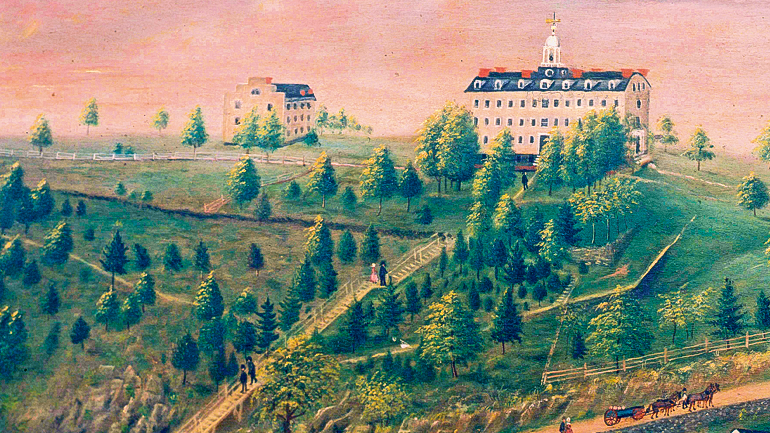
Founded: In March 1826, the citizens of Easton received a charter signed by the governor of Pennsylvania establishing Lafayette College.
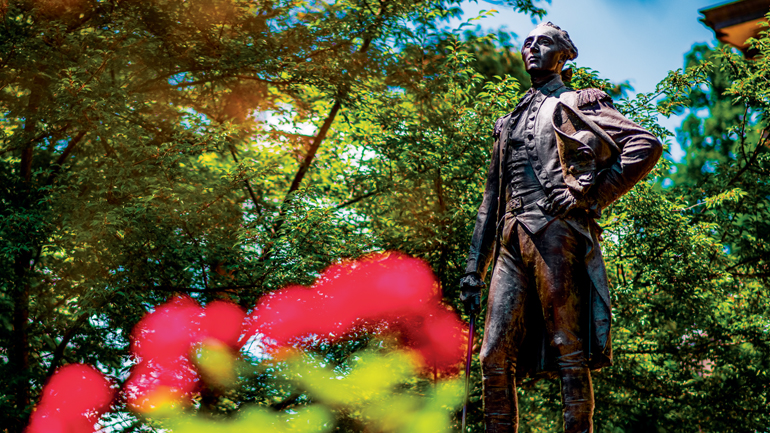
Character: We are proudly independent, academically competitive, and diverse in culture and perspective. We offer undergraduate programs on a coeducational, residential campus rich in history and beauty.

Degrees: We offer a bachelor of arts in 34 fields and a bachelor of science in 15 fields, including 5 in engineering.

Enrollment: Find yourself among a close-knit population of 2729 students, drawn from 44 U.S. states and territories, as well as 60 countries.

Faculty: We have 247 full-time faculty members, of whom 98% hold a doctorate or other terminal degree. This gives us an enviable 10 to 1 student-faculty ratio.
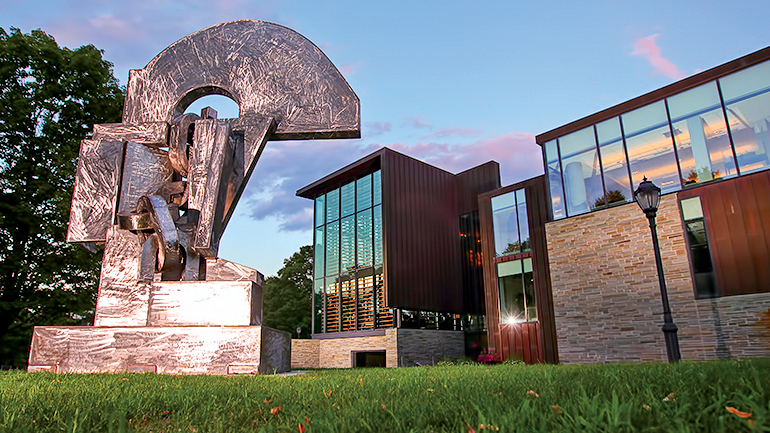
Campus: There are 69 buildings here, comprising approximately 1.76 million square feet, on 340 acres, including a 230-acre athletic campus.
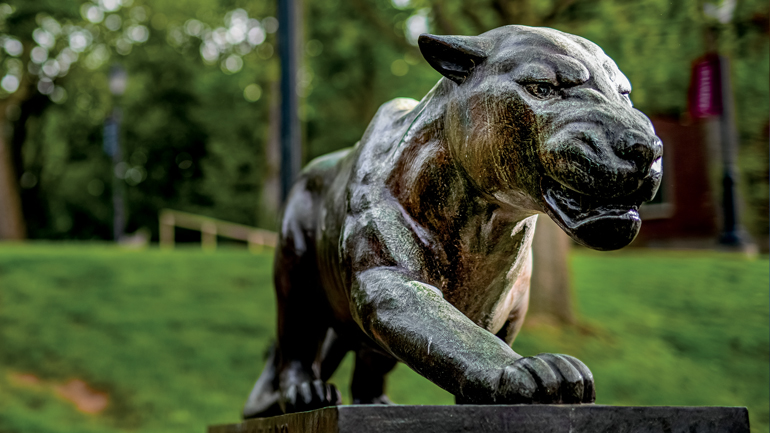
Endowment: Total endowment of more than $1 billion devoted exclusively to undergraduates.
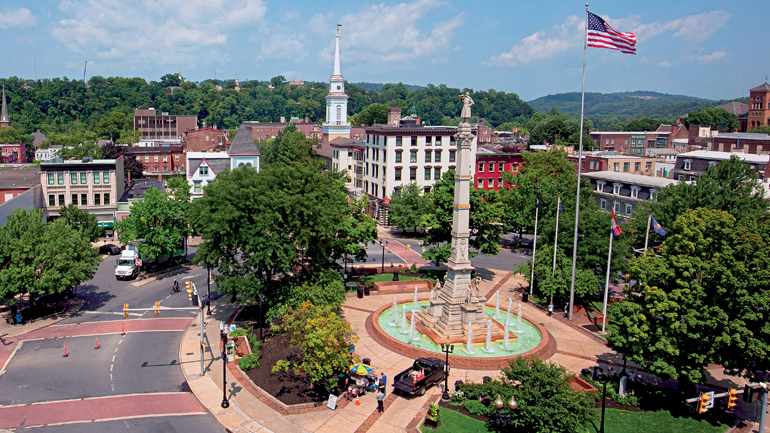
Location: We overlook the Delaware River in Easton, Pennsylvania, population 30,000. Easton is located in the Lehigh Valley, population 800,000; about 70 miles west of New York City and 60 miles north of Philadelphia. The scenic Pocono Mountains are about 35 miles north.